


What You Can Do to Maximise ROI by Addressing Poor Employee Wellbeing
Poor Employee Wellbeing is no longer a hidden or “soft” issue. It is a measurable business risk with clear financial, operational, and human consequences.
Organisations that overlook mental health and wellbeing face rising costs in productivity, engagement, retention, healthcare, and brand reputation. The impact of Employee Wellbeing Challenges is felt across every level of an organisation — from frontline teams to senior leadership.
The good news is that these costs are largely preventable. Evidence shows that proactive, preventative wellbeing strategies — particularly those built around daily habits and micro-learning — can significantly reduce risk while improving performance.
This article explores the true cost of Poor Employee Wellbeing and how modern workplace wellbeing programs can help organisations avoid it.
Why Successful Organisations Act Early on Wellbeing-related performance risk
High-performing organisations understand that Employee health and productivity strain directly undermines productivity, culture, and long-term sustainability.
Research consistently shows that organisations that address Poor Employee Wellbeing experience:
- higher productivity
- lower absenteeism
- reduced healthcare costs
- stronger engagement and retention
A widely cited Harvard-affiliated meta-analysis found that for every dollar invested in well-designed workplace wellness programs, medical costs fell by $3.27 and absenteeism costs dropped by $2.73, indicating a combined return on investment of nearly 6:1.
The most effective wellbeing strategies focus on prevention rather than crisis response, supporting people before workforce health and wellbeing challenges escalates into burnout, disengagement, or illness.
The True Cost of Employee Wellbeing to Businesses
The World Health Organization estimates that depression and anxiety cost the global economy over US$1 trillion every year in lost productivity — much of it driven by Poor Employee Wellbeing in the workplace.
Closer to home, multiple studies show that:
- A majority of employees experience burnout or chronic workplace stress
- Anxiety and depression rates have increased significantly in recent years
- Leaders and founders are under unprecedented psychological pressure
Gallup research shows that 76% of employees experience burnout at work at least sometimes, with 28% reporting burnout “very often” or “always.”
The WHO reports a 25% global increase in anxiety and depression since 2020.
At the leadership level, pressure is also rising. A Businessolver study found that 55% of CEOs reported experiencing a mental health issue in the past year, highlighting that Poor Employee Wellbeing affects decision-makers as much as employees.
When Poor Employee Wellbeing is deprioritised, costs don’t disappear — they compound.
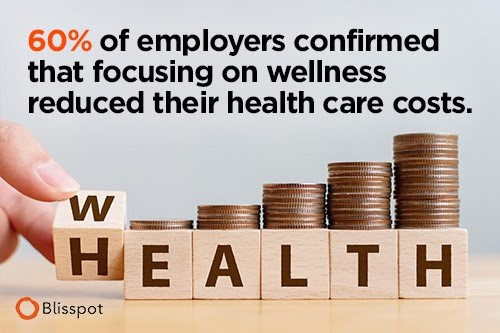
60% of employers confirmed that focusing on wellness reduced their health care costs.
How Employee Wellbeing Challenges Drives Absenteeism
1. Absenteeism Caused by Workforce Poor Health
Poor Employee Wellbeing is one of the leading causes of workplace absenteeism.
Employees experiencing anxiety, depression, or chronic stress are more likely to miss work, leading to:
- lost productivity
- increased workload for remaining team members
- higher risk of stress spreading across teams
The WHO estimates that depression and anxiety result in the loss of 12 billion working days globally each year.
How to reduce the impact of Poor Employee Wellbeing:
Daily wellbeing practices that support emotional regulation, stress management, sleep, and resilience can significantly reduce absenteeism over time.
Presenteeism: The Hidden Cost of Poor Employee Wellbeing
2. Presenteeism Linked to Poor Employee Wellbeing
Presenteeism occurs when employees are physically present but mentally unwell — a common result of Poor Employee Wellbeing.
This negatively affects:
- concentration
- decision-making
- communication
- work quality
Research shows that presenteeism costs organisations significantly more than absenteeism. A report cited by Deloitte found that productivity losses from presenteeism can exceed absence costs by up to three times.
How to address Poor Employee Wellbeing:
Micro-learning wellbeing programs provide short, practical tools employees can integrate into their workday without adding pressure.
Turnover and Talent Loss
3. Recruitment and Rehiring Costs Driven by Employee Wellbeing Challenges
Employee Wellbeing Challenges is a major driver of employee turnover.
Research shows that employees experiencing burnout or poor mental health are significantly more likely to disengage or leave their roles. Gallup reports that employees with low wellbeing are far more likely to be actively job-seeking.
Source: Gallup
Replacing employees is costly — financially and culturally — and often results in loss of knowledge, morale, and continuity.
How to reduce turnover linked to Poor Employee Wellbeing: Wellbeing programs that support daily mental fitness help employees feel supported, valued, and motivated to stay.
Brand and Culture Damage Caused by Poor Employee Wellbeing
4. How Poor Employee Wellbeing Impacts Brand and Culture
An organisation’s response to Poor Employee Wellbeing is now a visible part of its employer brand.
Employees increasingly share experiences through platforms such as Glassdoor and LinkedIn, influencing talent attraction and trust. Poor wellbeing cultures are linked to negative reviews, lower advocacy, and reduced employer appeal.
Harvard Business Review notes that organisations ignoring mental health risk long-term cultural and reputational damage.
How to build culture while addressing Poor Employee Wellbeing:
Embedding wellbeing into daily routines — not just policies — creates a healthier, more resilient culture.
Poor Employee Wellbeing Reduces Morale, Innovation and Growth
5. How Poor Employee Wellbeing Suppresses Performance
Sustained stress reduces cognitive capacity, creativity, and collaboration. Research shows that psychological safety and wellbeing are prerequisites for high-performing teams.
Deloitte reports that organisations investing in wellbeing see measurable improvements in performance and innovation.
Engagement Drops When Poor Employee Wellbeing Is Ignored
6. Poor Employee Wellbeing and Employee Engagement
Employee engagement is a leading indicator of organisational success.
Gallup research shows that employees with high wellbeing are nearly twice as likely to be engaged at work.
Ignoring Poor Employee Wellbeing leads to disengagement, presenteeism, and declining performance.
Customer Experience Suffers from Employees who are not at Their Best
7. How Poor Employee Wellbeing Impacts Customer Service
Employees experiencing burnout struggle with focus, empathy, and consistency — all critical to customer experience.
Gallup has consistently linked employee wellbeing with customer satisfaction, loyalty, and revenue growth.
The Human Cost Behind Not Taking Care of Employee Wellbeing
Behind every statistic related to Poor Employee Wellbeing is a human story.
Mental health challenges are deeply personal, and work plays a major role in shaping daily wellbeing. Addressing Poor Employee Wellbeing is not just a financial decision — it is a human one.
The Future of Workplace Wellbeing: Moving to a Thriving Corporate Culture
The future of workplace wellbeing lies in:
- proactive support
- daily micro-learning
- accessible, inclusive tools
- prevention-focused strategies
Blisspot supports organisations in moving beyond Poor Employee Wellbeing through daily wellbeing programs, expert-led resources, and practical tools that integrate seamlessly into modern workdays.
The Bottom Line: Addressing Employee Wellbeing Makes Business Sense
Employee Wellbeing Challenges impacts productivity, engagement, retention, culture, and customer experience — but it is preventable.
Organisations that prioritise wellbeing:
- reduce costs
- strengthen performance
- build sustainable success
The question is no longer whether Poor Employee Wellbeing matters — but how organisations will address it proactively.