
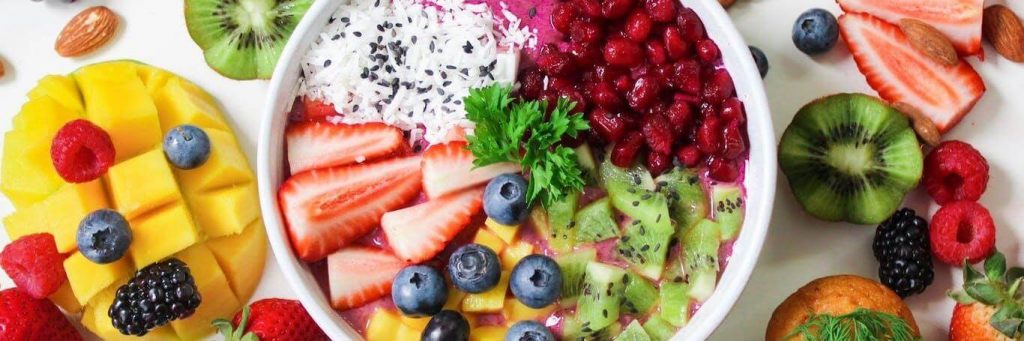

There is no official scientific definition of the term “superfoods”. Whole, minimally processed foods that are unusually rich in nutrients tend to earn the title. Superfoods are known for offering health benefits beyond everyday foods thanks to their concentration of phytochemicals and antioxidants — protective compounds that help defend your body against free radicals, which can damage your cells and DNA. These compounds are also associated with supporting a stronger immune system and slowing aspects of the ageing process.
Let the things taste the way they are ~ Alice Waters
When you build your meals around superfoods, you give your body a steady stream of vitamins, minerals and plant compounds that support energy, focus and long-term vitality. Rather than chasing the latest trend, think of these nutrient-dense foods as gentle daily allies — small, consistent choices that add up to a real difference in how you feel. Below are some of the most nourishing options to weave into your week, plus a closer look at how what you eat cares for the health of your gut.
Ginger
Ginger has a long history of medicinal use dating back thousands of years, from traditional Chinese medicine to Ayurveda. It contains gingerol, the compound responsible for its distinctive warmth and flavour. Gingerol has been studied for its protective, anti-inflammatory properties and may support immune function and help the body fight infection — one of the reasons ginger earns its place on almost every list of superfoods. Try it grated into stir-fries, steeped as tea, or blended into a morning smoothie for a natural lift.
Soy
Consuming around 25g of soy protein each day may help lower blood cholesterol levels. The antioxidant isoflavones found in soy protein help counteract the buildup of cholesterol in blood vessels, reducing the risk of blood clots and heart disease. Soy is also wonderfully versatile — edamame makes an easy snack, while tofu, tempeh and miso bring plant-based protein and depth of flavour to everyday meals.

Broccoli
Broccoli has a bounty of health-promoting properties, attributed in part to plant compounds called isothiocyanates. Studies suggest these compounds may play a role in disease prevention, although results are not yet definitive. Their effects can be reduced or even destroyed by cooking, so to get the most from this green giant among superfoods, enjoy your broccoli raw or lightly steamed rather than boiled.
Blueberries
Packed with polyphenolic compounds such as flavonoids and proanthocyanins, blueberries help protect memory and cognition. They may exert their beneficial effects by lowering oxidative stress and inflammation, supporting long-term brain health. Sweet, portable and endlessly snackable, blueberries are among the easiest superfoods to add to your day — toss them through porridge, yogurt or a handful of nuts.
Yogurt
Yogurt is a great source of calcium, protein, vitamin B12 and riboflavin, but it’s the live probiotics found in some varieties that make it particularly special. Probiotics are friendly bacteria that promote a healthy digestive system and support immunity. When choosing a yogurt, look for the words “live cultures” or “active cultures” on the label, and opt for plain, unsweetened varieties where you can — you can always add your own fruit, honey or cinnamon for natural sweetness. This humble breakfast staple brings us to one of the most exciting areas of modern nutrition research.
Superfoods and Gut Health
Your gut is home to trillions of microorganisms — collectively known as the gut microbiome — that influence digestion, immunity, energy levels and even mood. Scientists sometimes call the gut the “second brain” because of the constant communication between your digestive system and your nervous system. When this inner ecosystem is thriving, you tend to feel it everywhere: clearer thinking, steadier moods and more consistent energy throughout the day. Many nutrient-rich foods directly nourish that ecosystem, which is why gut health and vibrant energy so often go hand in hand.
Fermented foods such as yogurt, kefir, kimchi, sauerkraut and miso contain live probiotics that help maintain a balanced gut, according to Harvard Health. Prebiotic-rich superfoods — including garlic, onions, bananas, oats and asparagus — act as nourishment for those friendly bacteria, helping beneficial strains flourish while crowding out the less helpful ones.
When your gut microbiome falls out of balance, your body often lets you know: bloating, irregular digestion, low energy, sugar cravings or skin changes can all be quiet signals from within. If any of that sounds familiar, it may be worth learning about the signs you need probiotics and speaking with your health practitioner about whether fermented foods or a quality probiotic could support you.
Research summarised by Harvard Health suggests probiotics can support digestion, help the body absorb nutrients and ease common digestive complaints. A simple habit is to pair probiotic and prebiotic superfoods in the same meal — yogurt with banana and oats, or miso soup with garlic and greens — so the friendly bacteria arrive with their food supply already on the plate.
Emotional Benefits of Superfoods
- Feeling energetic and lighter in yourself
- May help ease restless nights and support deeper sleep
- May support a calm, balanced mood
- May support memory, focus and long-term brain health
- A gentle boost to daily vitality and motivation
Physical Benefits of Superfoods
- Aids digestion and nurtures a healthy gut
- Provides protective antioxidants
- Supports heart health and healthy circulation
- Helps protect your organs from toxins
- May help lower cholesterol
- Supports a healthy metabolism
- Helps reduce inflammation in the body

How to Add More Superfoods to Your Day
The key is to take any new change or habit one step at a time. Grand overhauls rarely last; gentle additions almost always do. Start by adding superfoods you already love to meals you already make — berries stirred through your breakfast, ginger in your afternoon tea, a spoonful of sauerkraut beside dinner. Notice how you feel over the following weeks rather than expecting an overnight transformation.
Variety matters, too. Different plants feed different strains of gut bacteria, so aim to eat across the colours of the rainbow each week rather than perfecting one “hero” ingredient. Over time, your tastebuds naturally shift. Foods that once felt like an effort begin to feel like a pleasure, and cravings for bread, biscuits and sweet treats quietly soften. Superfoods work best not as a quick fix but as a steady, loving foundation — nourishment that supports your vitality, your energy and your gut, one meal at a time.
Frequently Asked Questions
What are superfoods? They are whole, minimally processed foods that are especially rich in nutrients such as antioxidants, vitamins, minerals and phytochemicals. Common examples include blueberries, broccoli, ginger, yogurt and fermented vegetables.
Which superfoods are best for gut health? Fermented options like yogurt, kefir, kimchi and sauerkraut provide probiotics, while garlic, onions, bananas, oats and asparagus provide prebiotics that feed your beneficial gut bacteria.
How quickly will I notice more energy? Everyone is different, but many people notice steadier energy within a few weeks of eating this way consistently — especially when they also care for their sleep, hydration and stress levels.