


You know the feeling. There is a party tonight, a work event, or a dinner with people you actually like, and instead of feeling excited, you just want to know how to recharge your social battery before the event starts. Your energy is somewhere around eight percent and you only have two hours to get ready. For a lot of people, the instinctive answer to that problem is a drink or two to take the edge off and loosen things up.
But more people than ever are questioning whether alcohol is actually solving the problem or just masking it long enough to get through the night. If you have been looking for a better way to show up socially without relying on booze, there is a growing toolkit available. This includes the rise of the alcohol alternative nootropic, designed specifically for moments when you want to feel connected and present, helping you recharge your social battery without the heavy cost that comes with drinking.
Why Social Fatigue Is So Common (and Why You Need to Recharge Your Social Battery)
The Science Behind Feeling Drained Around People
Social fatigue is not a personality flaw or a sign that something is wrong with you. It is a physiological and psychological response to the cognitive and emotional load that social interaction places on the brain. Even for naturally outgoing people, sustained social engagement draws on mental resources that need replenishment.
Research in social neuroscience has shown that navigating group dynamics, reading social cues, managing self-presentation, and sustaining conversation all activate overlapping brain networks involved in attention, emotional regulation, and executive function. These are finite resources. When they run low, the experience shows up as irritability, difficulty concentrating, a strong desire to be alone, or that familiar sense that you simply cannot access your most engaging self.
For introverts, this experience is more pronounced and more frequent. But even extroverts hit a wall, particularly after periods of sustained stress, poor sleep, or social overload. The idea that some people simply have unlimited social energy and others do not is a significant oversimplification. Everyone has a battery. The difference is capacity, recovery rate, and the strategies used to manage both, as you learn to recharge your social battery.

Why Alcohol Feels Like the Answer to Recharge Your Social Battery (and Why it is Not)
The Short Game vs. the Long Game
Alcohol is socially ubiquitous for a reason. It works quickly, it lowers inhibitions, it reduces self-consciousness, and it creates a shared social ritual that feels connective. In the short term, a drink genuinely can make a crowded room feel more manageable. The problem is everything that comes after.
Alcohol is a depressant. Despite the initial loosening effect, it actively suppresses the neurotransmitter systems that support genuine energy, clear thinking, and emotional regulation. Here is what actually happens in the hours and days following drinking:
- Sleep quality drops significantly. Alcohol reduces REM sleep, which is when the brain consolidates memory and emotional processing. You may fall asleep faster but wake up less restored.
- Anxiety often increases. Many people experience what is colloquially called “hangxiety,” a rebound anxiety response as the nervous system recalibrates after alcohol exposure. This can make the next social situation feel even harder.
- Energy is borrowed, not created. The confidence and ease alcohol produces in the moment is essentially an advance on neurochemical resources you will pay back later, often with interest.
- Hydration and nutrition suffer. Alcohol is a diuretic and interferes with nutrient absorption, leaving the body in a mild state of depletion that compounds fatigue.
If you were already running low going into the event, a drink may get you through the evening, but it is likely to leave you running even lower afterward, making it much harder to recharge your social battery for the rest of the week.
Building a Natural Foundation to Recharge Your Social Battery
The Basics that Make the Biggest Difference
Before reaching for any supplement or functional drink, the foundational variables matter more than anything else. These are not glamorous interventions, but they have the most significant and lasting impact on your mood.
Sleep Is Non-Negotiable The single most powerful lever for social energy is also the most consistently underestimated. Sleep deprivation reduces emotional intelligence, increases sensitivity to social threat, and depletes the prefrontal cortex resources needed for the kind of easy, flexible conversation that makes social situations enjoyable. Prioritizing seven to nine hours of quality sleep is the highest-return investment available when you need to recharge your social battery.
Movement Changes Your Neurochemistry Physical exercise is one of the most reliable and fast-acting mood regulators available without a prescription. Even a twenty to thirty-minute walk raises circulating levels of dopamine, serotonin, and endorphins, all of which contribute directly to the feeling of being energized, positive, and open to connection. Moderate exercise is a highly effective way to recharge your social battery and create a genuine shift in your baseline confidence.
Nutrition and Hydration Blood sugar instability, mild dehydration, and nutritional deficiencies all affect cognitive function in ways that directly undermine social performance. Eating a balanced meal with quality protein, complex carbohydrates, and healthy fats before social events stabilizes the neurochemical environment your mood depends on.

Mindset Strategies that Expand Social Capacity
Beyond the physical foundations, there are cognitive and behavioral strategies that meaningfully expand social capacity over time.
- Intentional recovery periods: Treating downtime before social events as a genuine investment rather than wasted time changes the math significantly. Even twenty minutes of genuine quiet can restore attentional resources.
- Reframing the social stakes: A significant portion of social fatigue comes from the anticipatory cognitive load of managing impressions. Practices like mindfulness and deliberate self-compassion reduce the energy cost of showing up.
- Choosing quality over quantity: Not every social obligation is equally worth the energy expenditure. Giving yourself genuine permission to decline what does not serve you means you can properly recharge your social battery and arrive at the events that matter with more of yourself available.
The Rise of Alcohol Alternative Nootropics
One of the most interesting developments in the wellness space over the last few years is the emergence of functional drinks and supplements designed specifically to support social ease and energy without alcohol, helping you recharge your social battery organically.
This category, broadly referred to as alcohol alternative nootropics, is built around ingredients with genuine evidence for supporting the neurochemical states associated with sociability, confidence, and positive mood. Rather than suppressing the nervous system, they work with the brain’s existing chemistry.
Common Functional Ingredients
| Ingredient | What It Does |
|---|---|
| L-Theanine | Promotes calm focus without sedation, reduces social anxiety |
| GABA | Supports relaxation and reduces nervous system overactivation |
| Ashwagandha | Adaptogenic herb that reduces cortisol and stress response |
| Lion’s Mane Mushroom | Supports cognitive clarity and mood stability |
| 5-HTP | Precursor to serotonin, supports positive mood and sociability |
| Magnesium | Reduces tension and supports relaxed alertness |
** Common ingredients found in alcohol alternative nootropics, and what they do. Always check the label of any specific product before purchasing.
Products in this category provide a sense of ease, warmth, and social flow without the depressant effects, the next-day consequences, or the dependency risks. For people who are sober curious, fully sober, or simply tired of the alcohol cycle, they represent a genuinely new option to help recharge your social battery rather than a compromise.
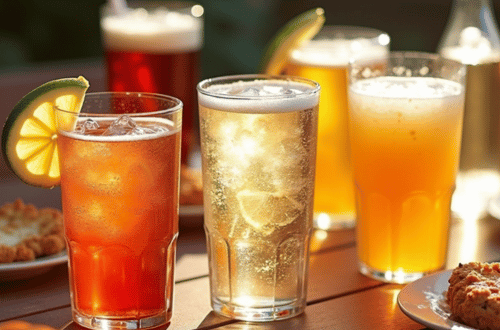
What to Look for in an Alcohol Alternative
When evaluating a nootropic alternative, consider the following factors:
- Ingredient transparency: Look for exact ingredients and dosages, not proprietary blends.
- Evidence-based formulation: Ingredients should have genuine research support.
- No artificial stimulants: Products relying on high caffeine are not true alternatives; they just trade one crash for another.
- Clean label: Minimal artificial additives and a formulation you can feel good about consuming regularly to recharge your social battery.
Final Thoughts
Learning how to recharge your social battery naturally is not about becoming a different person or eliminating everything that makes social situations feel manageable. It is about building a toolkit that works with your biology rather than against it.
Sleep, movement, nutrition, intentional recovery, and mindset all form the foundation. And for the moments when you want a little extra lift without the costs that come with alcohol, the growing world of functional alternatives offers something genuinely worth exploring to safely recharge your social battery. Showing up as your full self does not require a drink. It requires the right conditions—and increasingly, those conditions are available without a hangover attached.