


You pick up your phone to read one message. Forty minutes later, you’re still scrolling, the message is still unanswered, and your shoulders have crept up somewhere near your ears.
Most of us recognise that moment. The device that was meant to save you time has quietly spent it instead.
The answer isn’t to throw your phone in a drawer and move to the country. Mindful technology is a smaller, more practical idea: staying aware of how you’re using your devices, and adjusting the handful of habits that make the difference between technology serving you and technology running you.
What Mindful Technology Actually Means
Mindful technology means using your devices on purpose — pausing briefly to notice how, why, and when you reach for them.
Opening your calendar to prepare for a meeting is a different act from opening an app because your hands were empty. Both take thirty seconds. Only one of them was a decision.
That’s the whole distinction. Not whether you use technology, or how many hours you spend, but whether you chose it. Mindful technology is about making that choice visible to yourself often enough that it starts happening on its own.
Signs Your Devices are Running the Show
These are worth paying attention to, because each one is a habit rather than a character flaw — which means each one can change.
You might notice that you:
- Reach for your phone before you’re fully awake, often before you’ve gotten out of bed
- Lose your thread every few minutes to a notification
- Open an app to do one thing and resurface an hour later
- Can’t leave work messages alone in the evening
- Fill every gap — the queue, the kettle, the lift — with a screen
None of these means anything is wrong with you. They mean the apps are doing exactly what they were designed to do — holding attention is the business model. Mindful technology simply puts you back in the loop.

The Five-Minute App Audit
Mindful technology starts with knowing what you actually use. You don’t need a fancy tracking app for that — you need five minutes and a piece of paper.
List the apps and tools you open most days. For each one, ask three questions:
- What is this actually for?
- Does it give me back more than it takes?
- Or is it mostly filling time?
Then sort them into three groups:
Keep. Tools that genuinely help — with work, learning, relationships, or your wellbeing.
Limit. Useful, but prone to pulling you in further than you meant to go.
Lose. Apps you don’t really use, or that consistently leave you feeling worse.
Most people find the exercise clarifying rather than confronting. You usually already know which apps belong in which group. Writing it down is what makes it actionable.
Small Limits that Protect Your Attention
You don’t need to overhaul your life. Mindful technology works through small, specific boundaries, and a handful of them will do more than any dramatic gesture.
Turn off the notifications you don’t need. Keep the ones that matter — messages from people you love, calendar alerts. Silence everything else. This single change does more than any other.
Create a few phone-free windows. The first hour of the morning. Meals. The hour before bed. They don’t need to be long to work.
That last one has decent evidence behind it. A 2025 study in JAMA Network Open of more than 122,000 adults found that people who used a screen before sleep every day had a 26% higher risk of reporting poor sleep quality, went to bed around 19 minutes later, and slept roughly 48 minutes less per week than those who didn’t. It’s a cross-sectional study based on self-reported data, so it shows an association rather than proving cause — but it lines up with NHS advice, which suggests avoiding phones, tablets and computers for an hour before bed. If your evenings are the hardest part of this, our guide to why worry keeps you awake covers the rest of the picture.
Charge your phone in another room. If it isn’t within arm’s reach, you won’t check it half-asleep at 2 a.m. or before your feet hit the floor.
Batch your messages. Set two or three times a day to deal with email rather than answering each one as it lands. Constant small interruptions cost more attention than their length suggests, and the switching itself contributes to decision fatigue.
Use focus modes. Every phone and computer has one. Turn it on for deep work, reading, or rest.
Tools That Genuinely Help
Not all screen time is equal. Used well, the right tools reduce mental load rather than adding to it — which is the practical heart of mindful technology.
Worth considering:
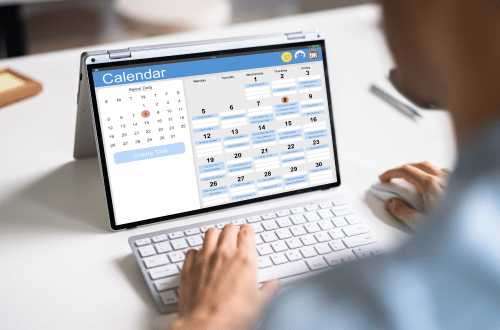
- A calendar and reminders you actually trust, so appointments and deadlines stop living in your head
- A notes or journaling app for capturing thoughts and noticing patterns over time
- Meditation and sleep apps for guided practice and a steadier wind-down
- A task planner that lets you break something large into the next small step
Many people now use an AI assistant for this kind of thing too — turning messy notes into a workable week, drafting a list, or preparing questions before an appointment. It’s genuinely useful for reducing load.
It’s also worth knowing where that information goes. Your notes, plans and half-formed thoughts are personal, and different services treat them very differently. Some providers now compete specifically on privacy: Proton’s Lumo is one example, and Proton states that saved conversations use zero-access encryption so that nobody at Proton can read them, that chats aren’t logged, and that chat data isn’t used to train AI models. Those are the company’s own published claims rather than independently audited findings, but they’re the right kind of question to be asking of any tool you hand your thinking to.
One caveat that matters. These are organisational tools. They aren’t a substitute for human connection, and they aren’t a substitute for professional support.
Where Your Information Actually Goes
Being thoughtful about your data is part of mindful technology, and it’s quietly connected to feeling settled.
Journal entries, personal plans, photos and private messages often reveal more than you’d choose to share. Before you commit something personal to an app, it’s worth a quick look at three things: what the privacy policy actually says, where the data is stored, and what permissions the app has asked for.
Then one more question: if you wanted this deleted later, could you delete it?
That’s usually enough. Mindful technology doesn’t ask for vigilance here — just a rough sense of where your information lives.
The Ten-Minute Weekly Check-In
Mindful technology works best as a habit you revisit, not a decision you make once.
Once a week, ask yourself:
- Which tools genuinely helped me this week?
- What pulled me away most often?
- Did I leave myself any real downtime?
- Were my evenings reasonably screen-free?
Then change one thing. Just one. A single notification turned off, one app moved off your home screen, one evening protected. Small changes hold; sweeping ones rarely survive a busy week. If your energy has felt low alongside all this, our piece on how to have more energy pairs well with this practice.
Your Mindful Technology Checklist
- Turn off non-essential notifications
- No screens at the table
- Don’t reach for your phone in the first ten minutes of the day
- Batch messages into set windows
- Keep the last hour before bed screen-free
- Check app permissions and privacy settings
- Delete what you don’t use
Making Technology Work for You
One question is enough to start: what do I actually want from my phone right now?
Sometimes the answer is clear, and you go and do it. Sometimes there isn’t one, and noticing that is the whole of mindful technology in a single moment.
You don’t need to give anything up. Pick the one habit that feels hardest to put down, pay attention to how it fits into your day, and adjust from there. Add the next thing when you’re ready.
A note on the harder version of this: if you’re dealing with stress, anxiety or low mood that keeps returning, an app isn’t the right tool for it. Speak to your doctor or a mental health professional. Digital tools can support good habits — they can’t treat what needs proper care.
Technology is supposed to make your life easier, not take it over. The best thing it can give you is the time it hands back.
Frequently Asked Questions
What does mindful technology actually mean in practice?
It means using your devices on purpose rather than automatically — noticing when you reach for your phone and whether you chose to. In practice it usually comes down to a few small boundaries: fewer notifications, a couple of screen-free windows in the day, and a weekly check on what’s helping and what isn’t.
Do I need a digital detox to fix my screen habits?
Usually not. Complete breaks can be refreshing, but they rarely change anything once normal life resumes. Mindful technology works the other way around: small permanent adjustments — notifications off, phone charging in another room, a screen-free hour before bed — tend to last much longer than a weekend away from your devices.
Is screen time before bed really a problem?
The evidence suggests it’s worth taking seriously. A large 2025 study found daily screen use before sleep was associated with poorer self-reported sleep quality, later bedtimes and less sleep overall, and NHS guidance recommends avoiding screens in the hour before bed. If a full hour feels unrealistic, start with twenty minutes — mindful technology rewards the change you’ll actually keep.